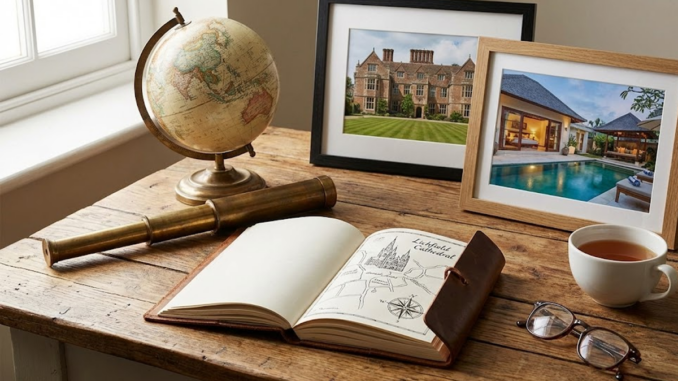
Architecture is often described as a conversation between the past and the present. In the heart of England, the city of Lichfield stands as a testament to this dialogue, with its three-spired cathedral and medieval street patterns telling a story that spans two millennia. However, the concept of “heritage” is no longer confined by geography.
Today, we are witnessing a fascinating evolution in the way we define the private estate. What began as the walled manors of the British aristocracy has transformed into a global standard of luxury, privacy, and architectural excellence.
The Architecture of Privacy
In historic Lichfield, heritage architecture was defined by limestone, gothic arches, and timber-framed civic buildings. These structures were built to last, designed with a focus on permanence and prestige. As we look “Beyond” our local borders, we see these same values being adapted in modern tropical sanctuaries and Mediterranean retreats.
The modern global estate—whether it is a sprawling villa in the Balinese highlands or a secluded manor in the hills of Tuscany—borrows heavily from the legacy of the traditional English estate. The focus remains on three core pillars:
- Exclusivity: Creating a world within a world.
- Craftsmanship: Utilizing local materials to create high-end, bespoke finishes.
- Landscape Integration: Ensuring the structure exists in harmony with its natural surroundings.
Bridging the Gap
At Lichfield & Beyond, our mission is to explore these connections. We believe that understanding the masonry of a Staffordshire cathedral provides a deeper appreciation for the stone-carving traditions found in luxury villas across the globe. By bridging the gap between local history and international living, we celebrate the enduring legacy of the “Estate” in all its forms.
Join us as we embark on this journey, exploring the world’s most iconic properties and the heritage that makes them extraordinary.